How an engagement unfolds
Every engagement follows four steps: a written scope, teams trained on their own cases, tools built with them, then a complete handover. Training takes place on the tools your organisation already uses.
The four steps of an engagement
- Step 1
Scoping
A written scope before any work begins: the target task, the people involved and how the result will be measured.
- The data allowed and the actions permitted
- The decisions that remain subject to human approval
- The entry in the AI Act use register, where it applies
- Step 2
Training
Teams are trained on their own cases and tools, with written usage rules: what the tool does, what it does not, who checks.
- Delivered by a Qualiopi-certified provider, for one to ten participants
- OPCO or FIF-PL funding possible, subject to the funder's decision
- Step 3
Build
Tools and agents are built with the team, tested on its real documents, then put into service with a named owner on your side.
- An isolated agent that only reaches what the scope allows
- Evaluation sets, guardrails and a log of every action
- Step 4
Handover
The documentation and the code belong to you. A before and after measurement shows what the tool has changed, and what it cannot yet tell.
- Source code, documentation and usage rules handed to your teams
- You keep control, with no dependency on Colombani.ai
An agent that runs in production starts with a written scope.
The rest is execution.
The tools covered by Colombani.ai training
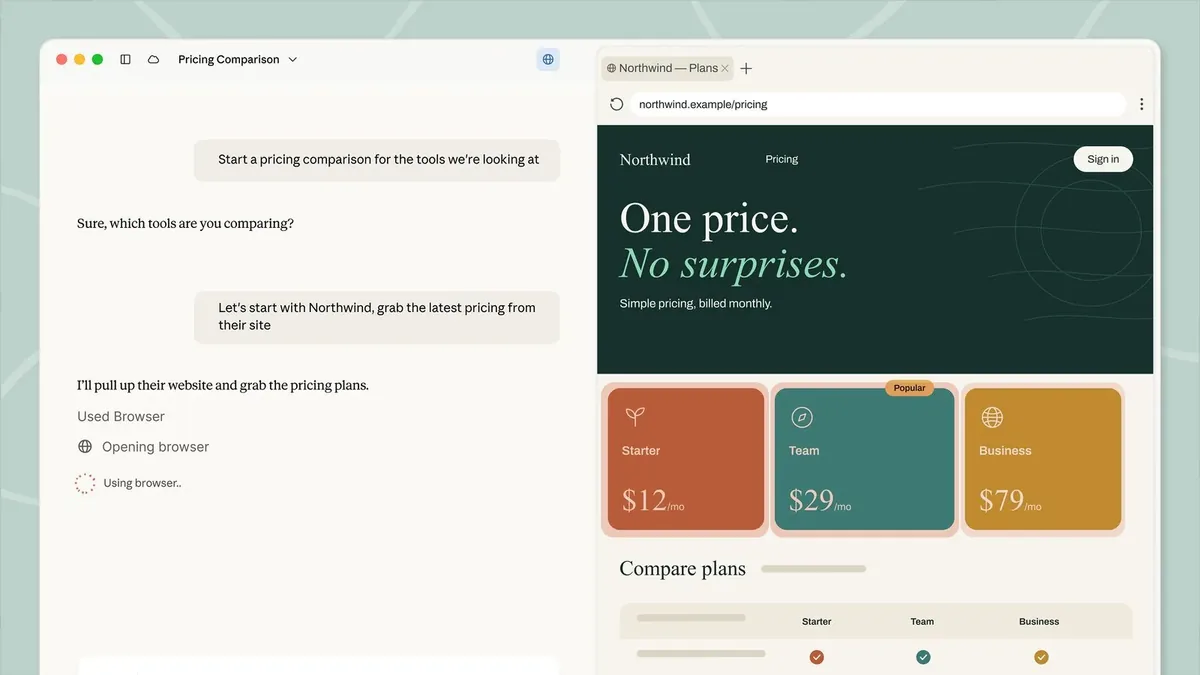
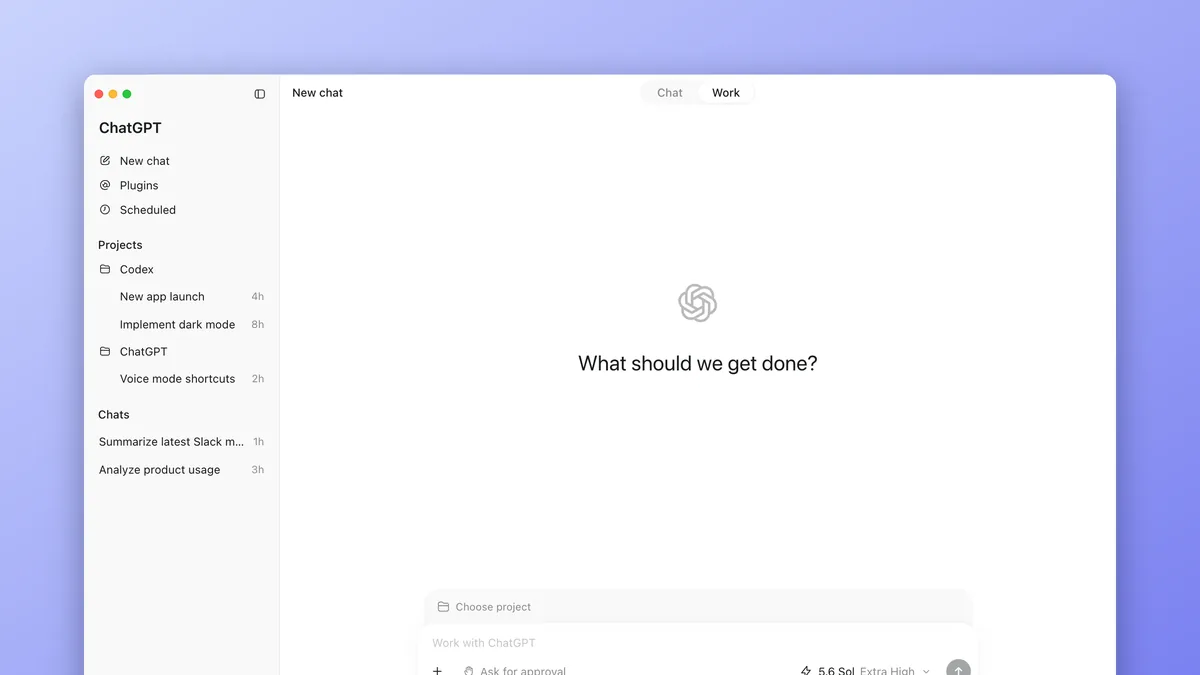
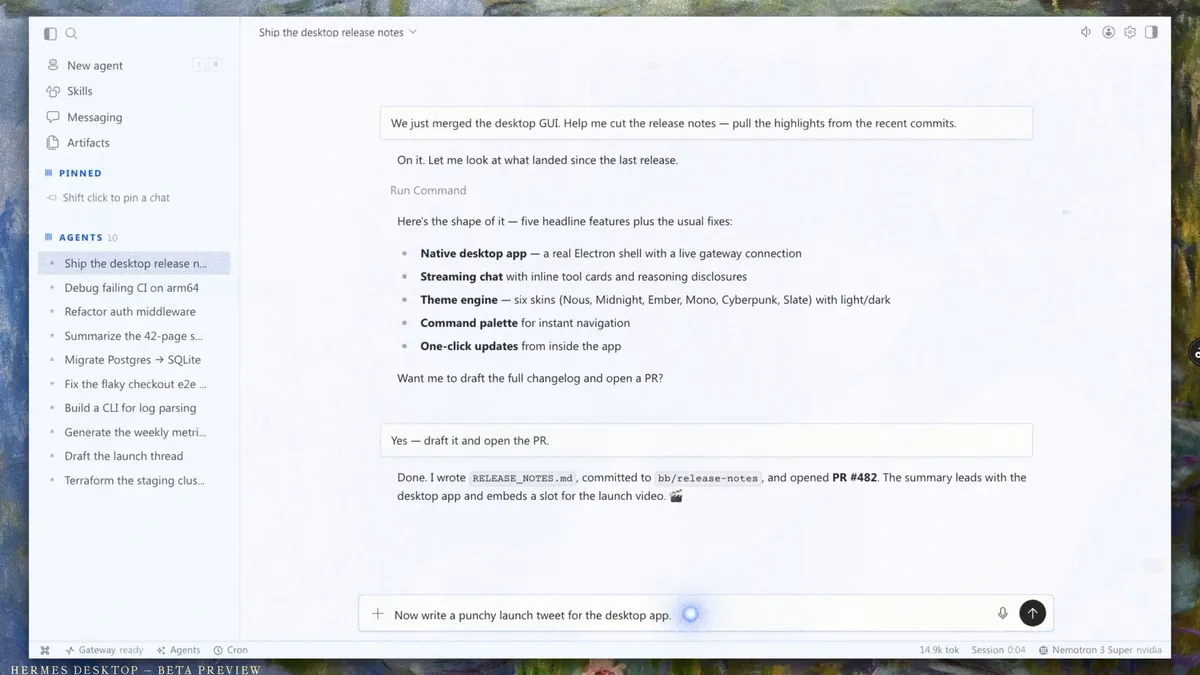
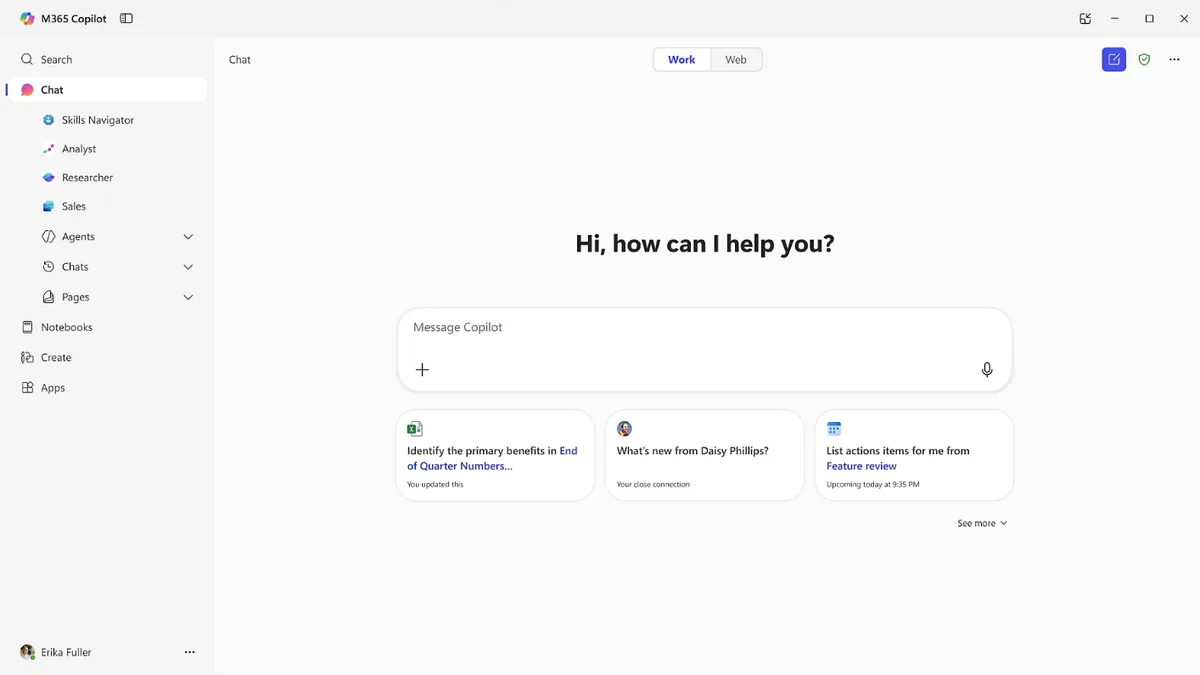
Colombani.ai trains on the tool your organisation has chosen, with course material specific to each. Mistral and locally installed models have dedicated courses.
Frequently asked questions
Does my data stay in Europe?
Colombani.ai defines the data hosting and processing conditions with your organisation. The agreed scope, services used and authorised access are documented before deployment. European hosting (OVH, Scaleway) and local models (Ollama, Mistral) are offered when the engagement requires it.
What are the typical project timelines?
The Flash Diagnostic takes one week, the full audit two weeks. A training course lasts from half a day to two days. The time needed to build an agent is set during scoping, according to the agreed scope.
Are your training programmes eligible for funding?
Yes. A Qualiopi-certified provider (training provider registration number 11757549975), eligible for OPCO and FIF-PL funding, subject to the funding body's decision. A catalogue of 9 programmes lasting half a day to 2 days, including a dedicated course for regulated professions. On-site, remote or hybrid formats. Bespoke programmes available.
How much does a project cost?
The Flash Diagnostic consulting offer starts at €2,000 excl. VAT. Training is priced by quotation and charged per group, with OPCO or FIF-PL funding available. The amount payable after funding is often well below the list price. Precise pricing follows a free 30-minute call.
How does Colombani.ai work with your teams and providers?
The consultant who scopes the engagement also carries it out and hands it over. He works with your business leaders, IT department and existing providers, including IT services companies. Every deliverable is handed over with its source code, documentation and training for your teams. Professional indemnity insurance covers consulting, training and penetration testing.
Got a project in mind?
Describe your situation. The first 30-minute call is free. Get a frank response within 48 hours.